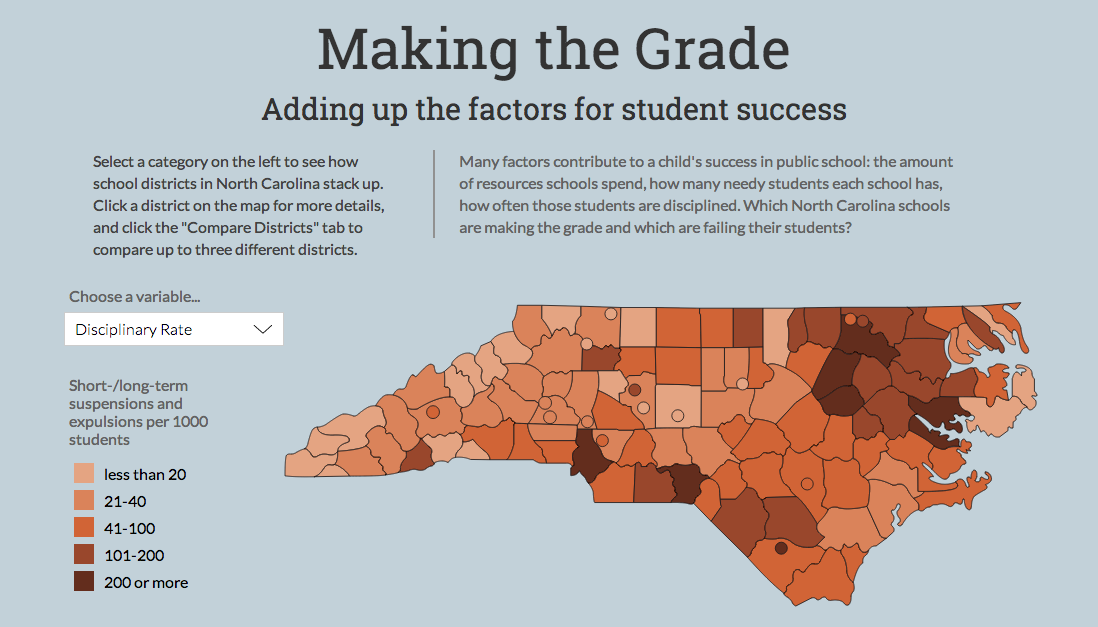
North Carolina
As of December 1, 2019, North Carolina will no longer charge children under eighteen in adult courts, except for extreme cases. Previously, all 16- and 17-year-olds in North Carolina were automatically sent to the adult criminal justice system regardless of the offense. The Raise the Age initiative keeps children under the age of eighteen out of adult prisons and courts. However, as a result, there has been a dramatic increase in beds at juvenile detention centers. This law does not take into account the repercussions of the reform. Now, more and more resources are being allocated to juvenile incarceration, instead of finding alternative solutions to adolescent crime. In August of this year, Governor Roy Cooper raised the minimum age for prosecution from six to eight years old. There is no strict enforcement of this law, however, it will likely place children under eight in counseling instead of juvenile courts.
In 2015, there were a total of 43,580 juveniles in custody with 15,660 detained and 26,972 committed. Since 2018, students between the age of six and fifteen are most susceptible to juvenile incarceration. According to The North Carolina Department of Public Safety, “Out of 11,136 juveniles, there were a total of 23,580 complaints, many of which can have multiple outcomes. Of those complaints, 16% were closed, 24% were diverted, and 50% were approved for court.” As of 2020, 1,465 juveniles were sentenced to life without parole. The state of North Carolina is locking young children up for life with no access to family or the outside world.
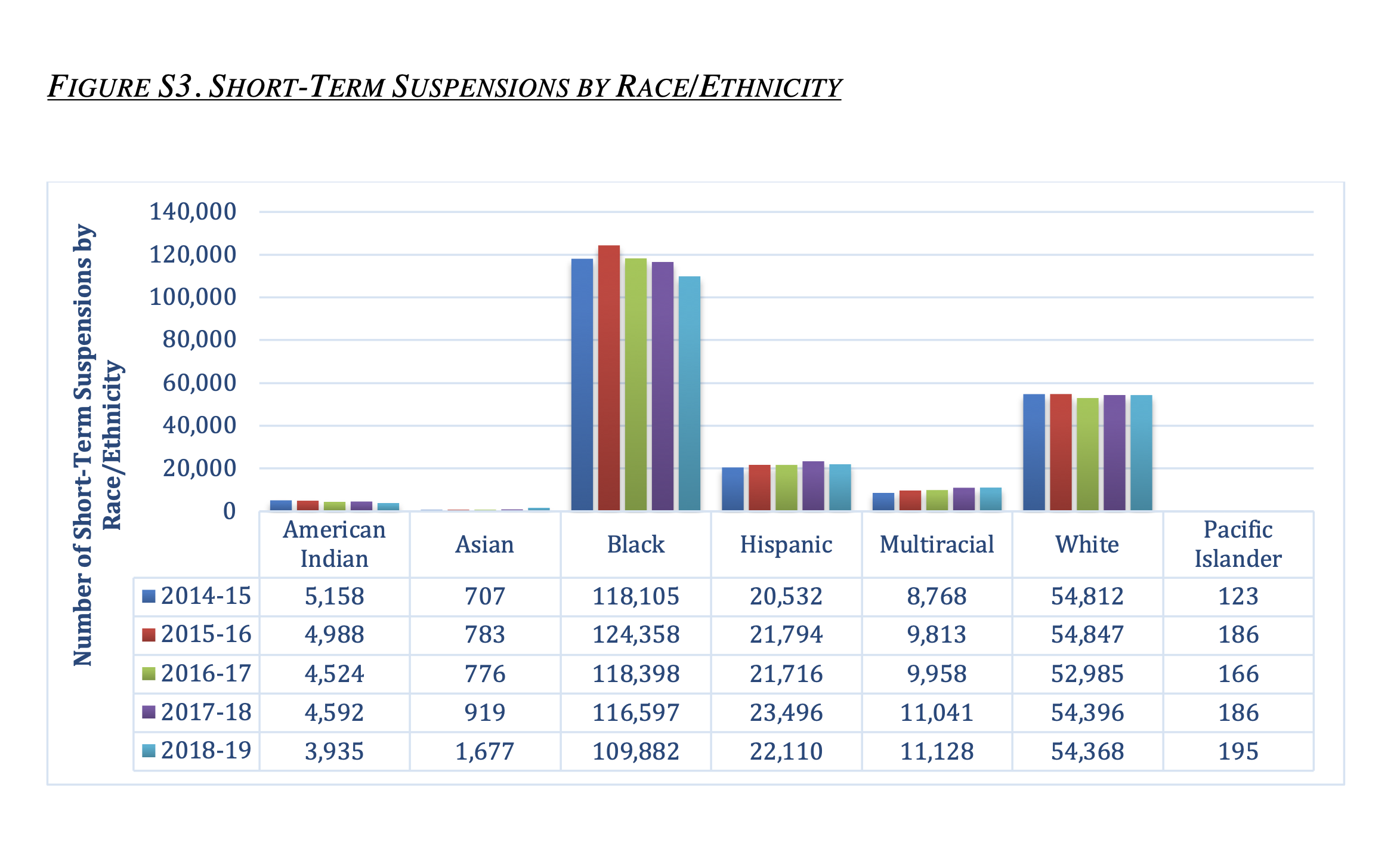
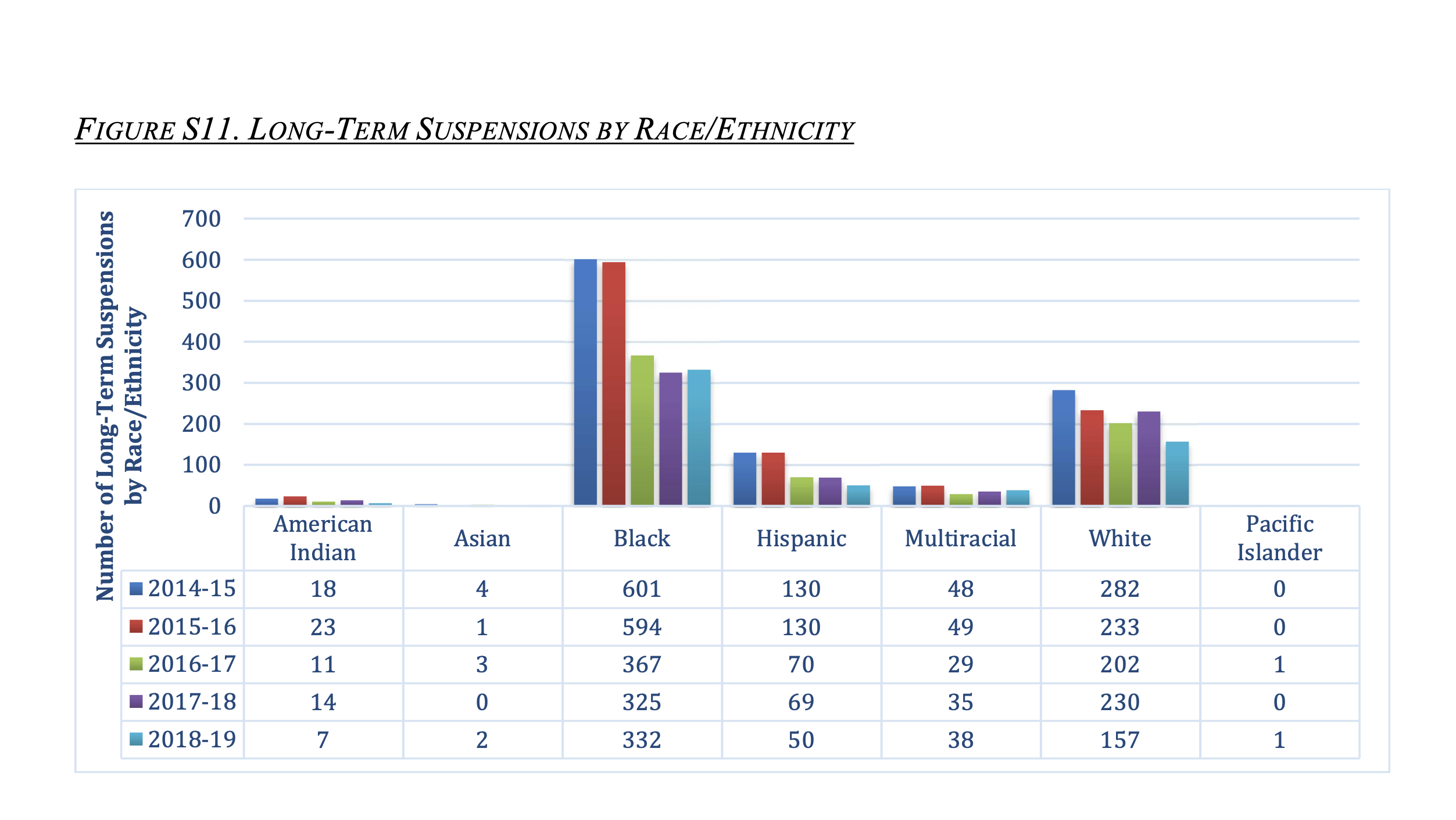
There are currently seven state juvenile detention centers with five additional county-operated facilities funded by North Carolina. The main point of entry into the STPP in North Carolina is disciplinary practices, academic records, and courts. Black students and students of color are disproportionately represented in all of these entry points. The Charlotte Post writes, “Black students made up 81.9% of all school-based juvenile complaints referred to the courts in the fiscal year 2019, followed by Latinx (13.7%) and whites (3.1%)” (White). The most frequent crimes committed in elementary and middle school that cause contact with the criminal justice system are assault, possession of a weapon, and possession of a controlled substance. However, 97% of youth suspensions in North Carolina are a result of discretionary offenses meaning poor behavior, fighting, and disrespect in the classroom. These are alarming statistics, proving that bad behavior can land children in for-profit juvenile detention centers. Instead of examining the root cause of behavioral issues including, family conflict and mental health problems, North Carolina places students in detention facilities.
https://www.dpi.nc.gov/media/7539/download
North Carolina allows cities and districts to determine policies surrounding suspension and expulsion from school to school. In every city across the state, Black students are disproportionately targeted by suspensions. The Charlotte Post writes, “While Black students made up 24.8% of children in North Carolina public schools, they received 54.9% of all short-term suspensions…White students, who comprise 45.5% of all students, received 26.0% of all suspensions” (White). Suspension is the main factor that enriches and advances the STPP. The reasons for suspensions in North Carolina are absurd, from failing to clean up a mess to not completing assignments on time. The “tough on crime” rhetoric should not be applicable in a learning environment and ends up doing more harm than good.
North Carolina is no different from the rest of the country when it comes to the school-to-prison pipeline. In the United States, Black students are three times as likely to be suspended and three and a half times as likely to be expelled than their white counterparts. Students of color also make up seventy-nine percent of arrests on school campuses. However, they are only thirty-nine percent of the school population. The school-to-prison pipeline functions to criminalize Black youth before getting the opportunity to advance economically and as citizens.
Charlotte, NC
In 2001, Charlotte, North Carolina redrew their school districts and zones because of segregation claims. This led to children being placed in new schools without choice on preferred disciplinary practices and untimely increased suspensions rates. According to Juvenile Justice in Mecklenburg County, “Blacks make up 36% of Charlotte-Mecklenburg’s nearly 147,000 public school students, followed by whites (26.8%) and Latinx (26.6%)…In the 2018-19 academic year… Black students represented 74.3% of all short-term suspensions compared to 13.8% for Latinx and 8% for whites” (McCarter). Out of those who have been suspended, at least one in seven students have come in contact with the criminal justice system. In Charlotte, one in five Black students, one in six Latinx students, and one in ten white students receive serious legal repercussions from suspension. Due to the exclusive power of principles in dictating punishment and contributing to high juvenile incarceration rates, Charlotte had required superintendent approval before a long-term suspension. As a result, the number of suspensions between 2017-2018 fell by ninety percent in kindergarten through twelfth grade.
In 2018, there were 403 admissions into detention facilities and 29 into youth development centers. There has been a steady decrease in juvenile incarceration in Charlotte, North Carolina. However, the effects and racial disparities of incarceration are still present. Black students are five times more likely to be detained in facilities than whites for school complaints. Charlotte, North Carolina statistics and evaluation show that cities are not void of prejudice and discrimination. The school-to-prison pipeline can be charted across the country-city to city, county to county-with overwhelming evidence pointed towards the continuation of Black criminalization in the academic environment.
