Asheville, North Carolina, has minimal information about juvenile incarceration or the effects of the STPP. However, over the last decade, Asheville has been in conversation with the community about ways to close the achievement gap in the education system. Using the previous data from Charlotte and North Carolina as a state, we can infer that Asheville is no different from the rest of the country when it comes to disproportionality targeting Black and brown youth.
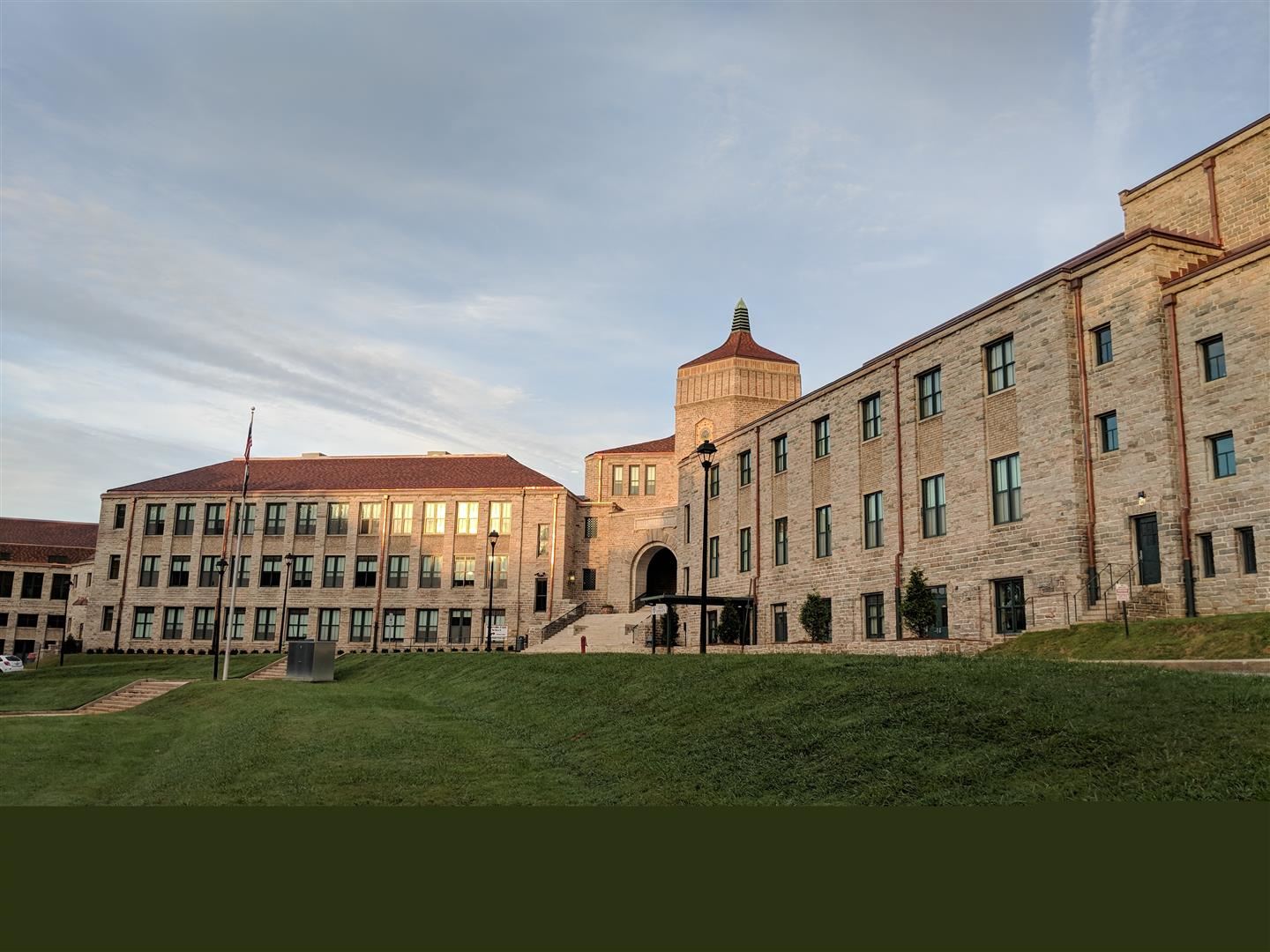
Asheville, North Carolina, is becoming more and more wealthy ( and white). This is a result of gentrification and increased prices of homes from the influx of tourists and wealthy retirees. Low-income youth in Asheville no longer have places to hang out or access to resources, which increases their chances of getting in trouble with law enforcement. The academic atmosphere is also no longer a safe place for Black and brown students. The Citizen’s Times writes, “Others in attendance [at the City Council meeting] pointed to Asheville’s isolated public housing developments, which they say police heavily monitor, as contributing to higher arrest rates among a certain demographic” (Gordon). Segregation and zoned housing have separated Black and white youth in Asheville. The current demographics of high schools in Asheville are 63.1% white, 20.3% Black, and 8.2% Hispanic. Asheville High School is the only public school in the Asheville City Schools system. As a result, adolescents from different opportunities and backgrounds converge in the same institution with little support or resources for individual needs.
I was not surprised to discover from my previous enrollment at an Asheville City School, that statistically only six and a half percent of Black students enroll in Advanced Placement classes. These findings are a result of low expectations for Black students academically as well as the quality of teacher support. Prejudice and stereotypes among teachers play an important role in student achievement and the disciplinary process. As Moja explains, “Opportunity gaps will persist if educators cannot get to the root of the varying intersecting systems producing this problem—it is societal (i.e.: poverty and segregation) as well as interpersonal (teacher perceptions and practices). Leaders must get uncomfortable; without acknowledging the biases within school personnel—which mirror the biases in the larger society—one will not improve opportunities for children to learn” (Hinnant-Crawford). With Black students unmistakably over-represented in suspensions, expulsions, and the juvenile justice system, it is impossible not to address the racial issues that cause this disparity. Teachers often fail to push students who they believe are struggling economically. The lack of motivation from teachers dissuades students from attaining higher education or even finishing high school. To increase the amount of Black and brown graduates, teachers must address their racial prejudices in order to create a space for students to learn without fear of harsh discipline or preferred treatment.
Asheville has the worst opportunity gap in North Carolina and it is continuing to grow. Although it also has the most dramatic achievement gap, the term opportunity gap is more cumulative and takes into account the mechanisms that cause educational disparities. The opportunity gap encompasses wealth and income, school resources, healthcare, teacher relationships, employment, housing, and school integration disparities to name a few. In Asheville, white students have significantly higher proficiency in English, Reading, and Math from kindergarten to twelfth grade. However, the city claims it is not a result of lack of resources, but instead, from prejudicial discipline. Race is the main factor in the stark contrasts between suspensions rates among students. Black students in Asheville, North Carolina, have the highest rate of suspensions and expulsions of any group of students in the state. According to The State of Black Asheville, “Of students without disabilities that received more than one out-of-school suspension in the school year, 70.7% were Black, 4.0% were Hispanic, 9.3% were mixed race, and 14.7% were White.” These high rates of suspensions and expulsions have led to increased dropout rates and juvenile incarceration. The State of Black Asheville confirms, “Blacks (16 yrs +) are 5.6% of the Buncombe County population yet make up 28% of those jailed.” On average, Black males are convicted of first offenses around age thirteen. These young boys haven’t even made it to high school, and they are entering the justice system. The Raise the Age law will hopefully deter young children from early contact with the justice system. However, there is more to be done in order to combat the STPP and keep our youth out of the prison system. Students in kindergarten to twelfth grade should not be involved in the criminal justice system period. Asheville, North Carolina, must address the mechanisms that cause the opportunity gap and work towards a truly diverse, “liberal” city.
At Asheville High School, there is one counselor per four hundred children. That is not enough. There is also a strong presence of law enforcement on campus. The city of Asheville must address the needs of students by providing more resources, counselors, tutors, social workers, and compassionate teachers to fit the needs of every student. They should be allocating funding towards truly helping students learn and get the opportunities they deserve. The STPP is affecting individuals, human beings, who are no different from your own children, peers, friends, or family. Detention and juvenile incarceration facilities are no place for children, let alone adults. The risks are major, and the impacts last a lifetime.
